Skip to content



Discover how AI and automation are revolutionizing digital pathology, transforming diagnostics and research with unprecedented precision and efficiency. From groundbreaking collaborations to cutting-edge platforms, the future of laboratory workflows is smarter, faster, and more connected than ever before.
Imagine a world where laboratory workflows are seamlessly powered by AI, transforming how biomarkers are discovered and diagnostics are performed. This vision is rapidly becoming reality in digital pathology, where recent breakthroughs are setting new standards for laboratories across the UK and beyond.
The acquisition of PathAI by Roche has sent ripples through the industry, signaling a consolidation phase that simultaneously opens doors for innovation and new market entrants. This pivotal move challenges laboratories to rethink their technology strategies amid a shifting landscape of digital pathology platforms.
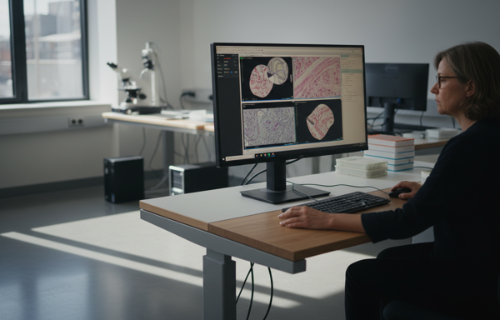
Leading this transformation is Proscia’s fifth-generation Concentriq platform, which integrates AI models directly into diagnostic workflows. This evolution from basic image management to AI-driven orchestration supports everything from drug discovery to clinical case reviews, enhancing both speed and accuracy. Complementing software advances, hardware innovations like EIZO’s dedicated digital pathology monitor provide pathologists with the visual fidelity essential for precise slide review, a crucial factor as digital workflows become the norm.
Clinical validation efforts are gaining momentum. The Articulate Pro study, conducted by Oxford University Hospitals NHS Foundation Trust, demonstrated that AI-assisted prostate pathology software can be safely embedded into routine NHS diagnostics. This milestone paves the way for broader adoption of computational pathology, promising improved patient outcomes through more precise diagnostics.
Collaboration remains key in this evolving ecosystem. CellCarta’s Global Digital Pathology and AI Consortium unites multiple AI companies to create a platform-agnostic environment for biomarker discovery and companion diagnostics, accelerating research and supporting precision medicine initiatives. Similarly, academic partnerships such as Nucleai’s expanded work with the University of Glasgow push the boundaries of spatial biology by integrating tissue imaging with molecular and clinical data. Meanwhile, Imagene AI’s collaboration with Daiichi Sankyo harnesses multimodal AI to enhance oncology drug development, underscoring AI’s growing role in personalized medicine.
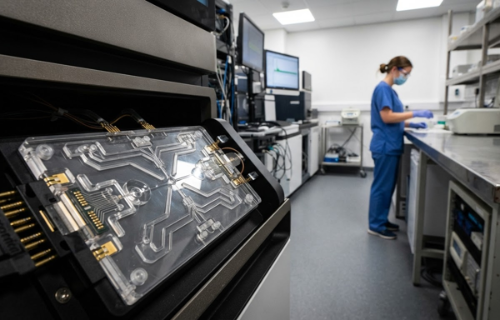
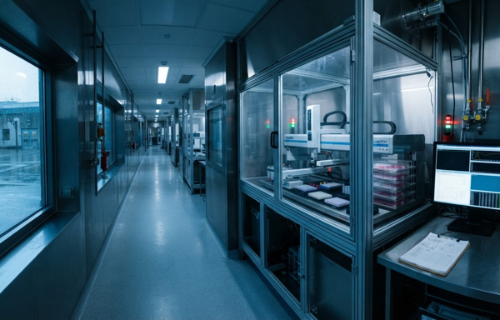
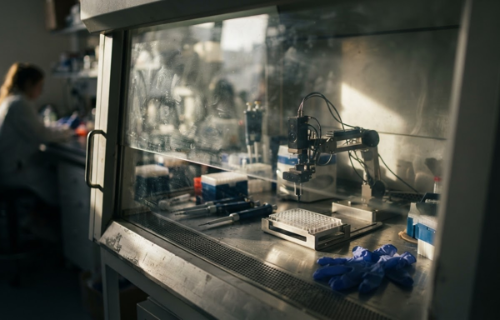
On the operational front, automation addresses workforce challenges. ABB Robotics and Roche’s partnership to develop AI-enabled laboratory automation solutions aims to streamline slide handling and intralaboratory logistics, boosting efficiency amid rising diagnostic demands.
These advancements are not just technological feats; they represent a paradigm shift for laboratory managers, scientists, and quality professionals. Embracing AI and automation offers a path to greater precision, efficiency, and innovation in diagnostics and research. The Royal Marsden and The Institute of Cancer Research, London, exemplify this synergy, combining world-leading research with exceptional patient care to turn scientific discovery into real-world impact for cancer patients globally.
As digital pathology continues to evolve, laboratory leaders must stay informed and proactive. Engaging with these emerging technologies today will position laboratories to deliver better patient care and accelerate scientific discovery tomorrow. The future is here—are you ready to lead the change?