Skip to content



A bespoke high-throughput experimentation platform has reduced one laboratory optimisation process from several weeks to hours, illustrating the practical gains automation can offer research teams.
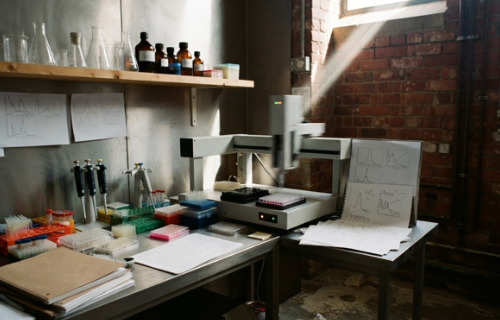
Developed through a collaboration between automated synthesis and engineering specialists, the platform brings together solid and liquid handling with automated plate sealing. By coordinating steps that would otherwise require repeated manual intervention, it enables teams to run and assess experiments more efficiently. The reported result was a fivefold increase in productivity for the workflow concerned.
The example highlights where automation can make the greatest difference: in repetitive processes that take time away from experimental design and interpretation. High-throughput systems can also help researchers run experiments under more consistent conditions, provided methods are properly developed and results are reviewed by scientists.
Automation is addressing different challenges in pharmaceutical manufacturing. Advanced powder-transfer systems are being used to improve material handling where contamination and production blockages can disrupt operations. Reducing those interruptions can support more reliable processing, although any new system must be assessed against the materials, containment requirements and quality standards of its setting.
Digital tools are also changing work away from the bench. Machine-learning systems can extract and organise master data from complex source documents, helping teams prepare information for laboratory data platforms. This could reduce the time spent on routine configuration and transcription, particularly when organisations are managing large volumes of records.
Accuracy remains critical. Extracted information needs appropriate checks, and laboratories must be able to understand how data has moved between source documents and operational systems. Automation can reduce manual effort, but it does not remove the need for validation, clear responsibilities and expert oversight.
For laboratory managers, these developments suggest a practical starting point: identify workflows where repeated manual steps create delays, inconsistency or avoidable administrative work. The strongest case for automation may be a specific, well-defined bottleneck rather than an entire laboratory process.
The reported gains from the high-throughput platform will depend on the workflow and cannot be assumed across other settings. Even so, the combined examples show how robotics, improved material handling and machine learning can give skilled teams more time to focus on scientific decisions while supporting efficient, reproducible work.