Skip to content


The Generation Study is exploring how whole-genome sequencing could support earlier detection of rare, treatable conditions in newborns, before symptoms appear.
Led by Genomics England in partnership with NHS England, the programme aims to evaluate screening for up to 100,000 babies. Participating families can choose to have a sample of umbilical cord blood analysed using whole-genome sequencing, with the study looking for more than 200 rare conditions where earlier diagnosis could lead to clinical action.
Many rare genetic conditions are difficult to identify in the first months or years of life, particularly before clear symptoms emerge. For some children, this can delay access to specialist monitoring, preventive treatment or targeted care. Newborn genomic screening could provide clinical teams with valuable information earlier, helping them plan appropriate follow-up where a relevant condition is identified.
One example is complement component 6, or C6, deficiency: a rare immune condition that can increase susceptibility to severe infections. Identifying conditions such as this at an early stage may enable clinicians to consider protective measures, specialist advice and ongoing monitoring before a child becomes unwell.
The study is being introduced through participating NHS trusts in England, with activity expanding across a range of regions, including Manchester and Southampton. Its scale will allow researchers to assess not only the technical performance of sequencing, but also how results can be communicated clearly to families and incorporated into existing clinical pathways.
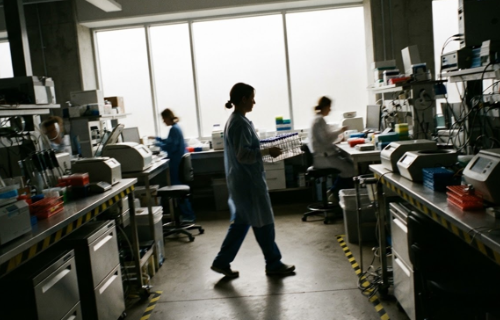
For laboratory teams, the programme demonstrates the growing importance of scalable genomic diagnostics. Delivering newborn sequencing at this scale requires robust pre-analytical processes, reliable sample tracking, validated sequencing and bioinformatics workflows, and clear systems for confirming and reporting clinically significant findings.
Quality management will be particularly important. Whole-genome sequencing can generate a large volume of data, but the value of screening depends on focusing on conditions where there is strong evidence that early intervention can make a difference. Laboratories, clinical geneticists, paediatric specialists and screening services must work closely to ensure results are accurate, timely and clinically meaningful.
The Generation Study is not yet a routine national screening programme. However, it provides an important opportunity to understand how genomic technologies might be used responsibly in preventative paediatric care. Its findings could help inform future approaches to rare-disease diagnosis and the role of genomics in public health.