Skip to content



Step into the future of biomedical science with Essex’s new £3 million BioSTAR-Lab, where cutting-edge training meets real-world research. Discover how this groundbreaking facility is shaping the next generation of innovators ready to transform healthcare and drive life sciences forward.
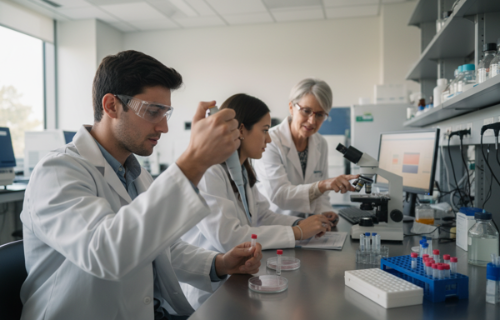
In a landmark advancement for the UK’s life sciences sector, the University of Essex has inaugurated a £3 million government-funded laboratory aimed at cultivating the next generation of biomedical scientists. This cutting-edge facility, named the Bioscience Skills Training and Research Laboratory (BioSTAR-Lab), offers students immersive, hands-on training with the latest equipment and methodologies that mirror those used in contemporary healthcare and research settings.
The BioSTAR-Lab is thoughtfully equipped with specialized microbiology and molecular biology laboratories, alongside a dedicated cancer diagnostics unit. This setup allows students to delve deeply into tissue analysis, infectious disease research, and molecular techniques, fostering a comprehensive understanding that bridges academic theory with practical application. Such experiential learning is designed to endow students with critical analytical and technical skills essential for modern biomedical careers.
Professor Terry McGenity, head of the School of Life Sciences at Essex, highlighted the transformative nature of lab-based projects. He explained that these initiatives enable students to actively participate in research alongside seasoned experts, thereby enriching their educational experience and better preparing them to meet the escalating demand for skilled professionals within the NHS and the broader life sciences industry, which currently employs over 300,000 individuals across the UK 12.
Coinciding with the launch of this facility, the university has introduced its inaugural undergraduate biotechnology degree. This program reflects the growing need for graduates equipped to drive advancements in vaccine development, diagnostics, and therapeutic treatments. Professor Silke Paulmann, executive dean of the Faculty of Science and Health, emphasized the lab’s pivotal role in fostering innovation and reinforcing the talent pipeline that underpins economic growth and enhances public health outcomes nationwide.
For laboratory managers, technicians, and researchers, the BioSTAR-Lab represents a strategic investment in workforce development. It ensures that emerging scientists are thoroughly prepared to contribute meaningfully to critical healthcare innovations. As the life sciences landscape rapidly evolves, initiatives like this underscore the vital importance of practical training environments that replicate the complexities of modern biomedical research.
This development invites stakeholders across academia, industry, and government to support and engage with educational programs that seamlessly integrate academic rigor with practical expertise. Ultimately, such collaborations are essential to sustaining and advancing the UK’s leadership in biomedical science innovation, securing a healthier future for all.