Skip to content



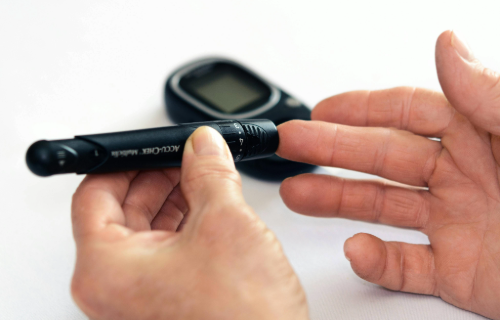
A major multinational research initiative is underway to assess whether a simple finger-prick blood test can help diagnose Alzheimer’s disease more affordably and accessibly than existing methods. This trial, part of the Bio-Hermes-002 study led by the Global Alzheimer’s Platform Foundation, is exploring whether key proteins associated with Alzheimer’s can be reliably detected using a small capillary blood sample.
Traditional diagnosis currently relies on expensive brain imaging or invasive procedures such as lumbar punctures, making early detection difficult for many patients. The finger-prick test uses a plasma separation card that does not require refrigeration, making it far easier to distribute and collect. Samples will be analysed for biomarkers including phosphorylated tau 217 (pTau217), glial fibrillary acidic protein (GFAP) and neurofilament light polypeptide (NfL), and results will be compared against gold-standard diagnostic tools.
The study has enrolled participants across the UK, USA and Canada, encompassing people with and without cognitive impairment. If successful, this approach could offer a scalable, minimally invasive way to screen for Alzheimer’s earlier, helping guide treatment decisions and support research toward preventative care.
Read the full story here.