Skip to content



Liverpool’s new high-containment robotic laboratory combines automation, AI and human organoids to support faster, safer research into high-risk pathogens, vaccines, diagnostics and new treatments.
A new high-containment facility in Liverpool is bringing together robotics, AI and human organoid technology to strengthen the UK’s ability to study serious infectious diseases.
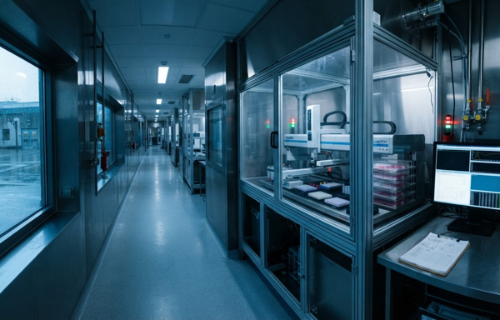
The Liverpool Accelerate Laboratory is the country’s first Category 3 robotic infection research facility. Developed as part of wider efforts to improve pandemic preparedness and biosecurity research, the £20 million site is designed to support work with high-risk pathogens in a controlled environment.
The laboratory meets stringent Schedule Five biohazard security requirements, allowing researchers to work safely with infectious agents that require a higher level of containment.
What makes the facility different is the combination of high-containment capability with advanced automation.
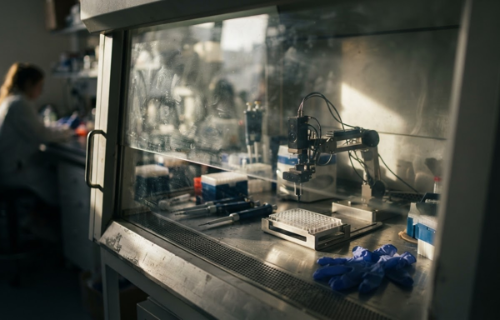
Automated liquid handling and intelligent robotics can support high-throughput screening and continuous monitoring, helping researchers run complex experiments more efficiently. This can reduce the time needed to test potential drugs, vaccines and diagnostics, while improving the consistency of laboratory processes.
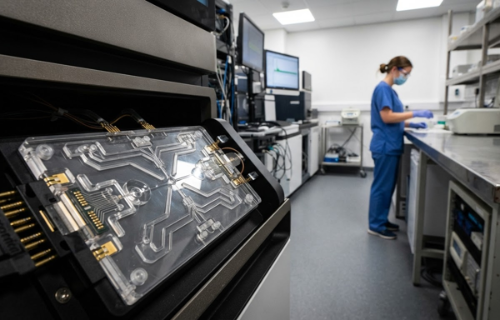
The facility will also use human organoids: small, lab-grown tissue models that better reflect how the human body responds to infection than many traditional models. These systems can offer researchers more relevant information at an earlier stage of development, while reducing reliance on animal testing.
For infection researchers, this could help speed up the path from early discovery to clinical development. It also creates a safer and more scalable environment for studying pathogens that would be difficult to investigate using conventional laboratory approaches.
The impact is expected to extend beyond the laboratory itself. The site is intended to support collaboration between universities, healthcare providers, industry partners and public-health organisations, creating a stronger regional and national network for infectious-disease research.
As global health risks continue to evolve, investment in research infrastructure is becoming increasingly important. Liverpool’s new facility shows how automation and advanced biological models can work together to support faster, safer and more resilient infection research.