Skip to content



Step into the future of biomedical science with the University of Essex’s new £3 million BioSTAR-Lab, where cutting-edge research meets hands-on training. Discover how this state-of-the-art facility is shaping the next generation of scientists ready to revolutionize healthcare and innovation.
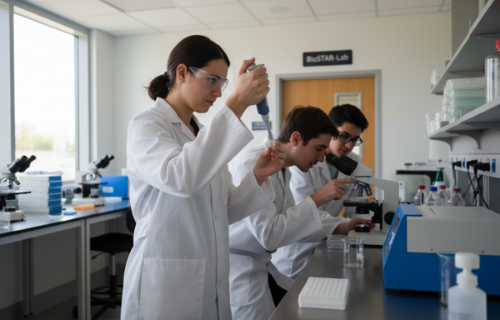
In a decisive step to bolster the UK’s life sciences sector, the University of Essex has inaugurated the Bioscience Skills Training and Research Laboratory (BioSTAR-Lab), a state-of-the-art, government-funded facility dedicated to training the next generation of biomedical scientists. Valued at around £3 million and supported by the Office for Students, this laboratory is poised to become a pivotal hub for hands-on education and research, particularly in disciplines vital to the NHS and healthcare innovation.
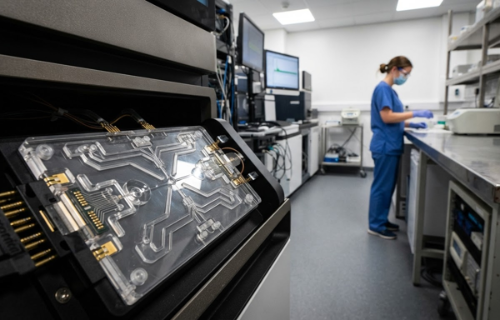
The BioSTAR-Lab transcends traditional teaching spaces by housing specialized units such as a cancer diagnostics laboratory, alongside advanced microbiology and molecular biology labs. These facilities immerse students in cutting-edge techniques, including tissue sample analysis and molecular diagnostics, bridging the gap between academic theory and practical application. This experiential learning equips students with critical technical and analytical skills essential for modern biomedical science.
Professor Terry McGenity, head of the School of Life Sciences, highlights the transformative nature of this approach: “Hands-on, lab-based research projects provide a transformative experience for our final-year undergraduates and masters students. They become part of the research process, applying their knowledge and developing critical technical and analytical skills.” This immersive training is designed to cultivate versatile scientists ready to meet the evolving demands of the NHS and the life sciences industry.
The timing of this investment is particularly significant. With over 300,000 professionals already employed in the UK’s life sciences sector, the demand for skilled biomedical scientists continues to surge. Reflecting this trend, the University of Essex is launching its inaugural undergraduate biotechnology degree, aiming to prepare graduates capable of contributing to vaccine development, novel medicines, and diagnostic technologies.
Professor Silke Paulmann, executive dean of the Faculty of Science and Health, underscores the lab’s role in fostering innovation: “This facility brings together education, research, and real-world application, creating opportunities for students to develop expertise that will drive future advances in diagnostics, treatments, and public health.”
As healthcare challenges evolve, initiatives like the BioSTAR-Lab are crucial in strengthening the talent pipeline that underpins innovation and economic growth. For laboratory managers, technicians, and scientists, this development signals a promising future where education and practical skills converge to meet sector needs.
The University of Essex’s new laboratory serves as a clarion call for institutions and industry to invest in training and research infrastructure, ensuring the workforce is prepared for tomorrow’s scientific challenges. Embracing such opportunities will be key to sustaining the UK’s leadership in biomedical science and healthcare innovation, reinforcing the nation’s position in a globally competitive life sciences landscape 123.