Skip to content


A new NHS pilot could reduce brain tumour classification from 26 days to two hours, giving surgical teams faster genomic insight and helping patients begin the right treatment sooner.
NHS England has launched a major pilot to test whether rapid genomic analysis can transform the way brain tumours are diagnosed and treated.
The programme centres on an ultra-rapid test that can reduce tumour classification times from around 26 days to as little as two hours. If adopted more widely, the technology could give surgeons vital information while an operation is still taking place.
Brain tumour diagnosis usually involves imaging, surgery and a detailed pathology process. After a biopsy is taken, samples are assessed in the laboratory to identify the type of tumour and its genetic features. While this process is essential, it can take several weeks before a final classification is available.
The new approach aims to change that.
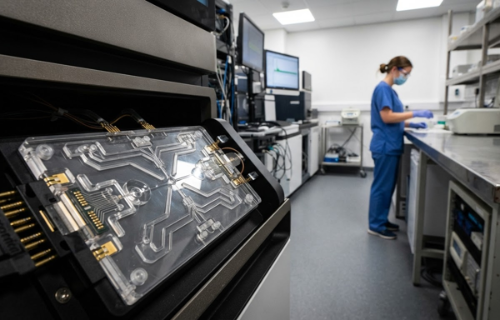
Developed by researchers at the University of Nottingham and Nottingham University Hospitals NHS Trust, the test uses Oxford Nanopore sequencing alongside a specialist software platform called ROBIN. By analysing targeted areas of DNA quickly, the system can provide a detailed tumour classification in a much shorter timeframe.
For surgical teams, this could make a significant difference. Receiving genomic information during surgery may help clinicians make more informed decisions about how much tumour tissue can be removed safely, while reducing the risk of damage to healthy areas of the brain.
The benefits could continue after surgery. A faster diagnosis means patients may be able to begin radiotherapy, chemotherapy or other treatments sooner. It could also reduce the anxiety that comes with waiting weeks for answers following an already difficult diagnosis.
NHS England is investing more than £2 million in the Brain Cancer NHS Genomic Network of Excellence to assess and standardise the approach. The pilot is being introduced across specialist centres in England, with the aim of building evidence for its use in routine care.
The project is a clear example of how genomics, sequencing technology and laboratory software are changing clinical pathways. Faster testing does not just improve laboratory turnaround times. It can give clinicians better information when it matters most and help patients access the right care sooner.